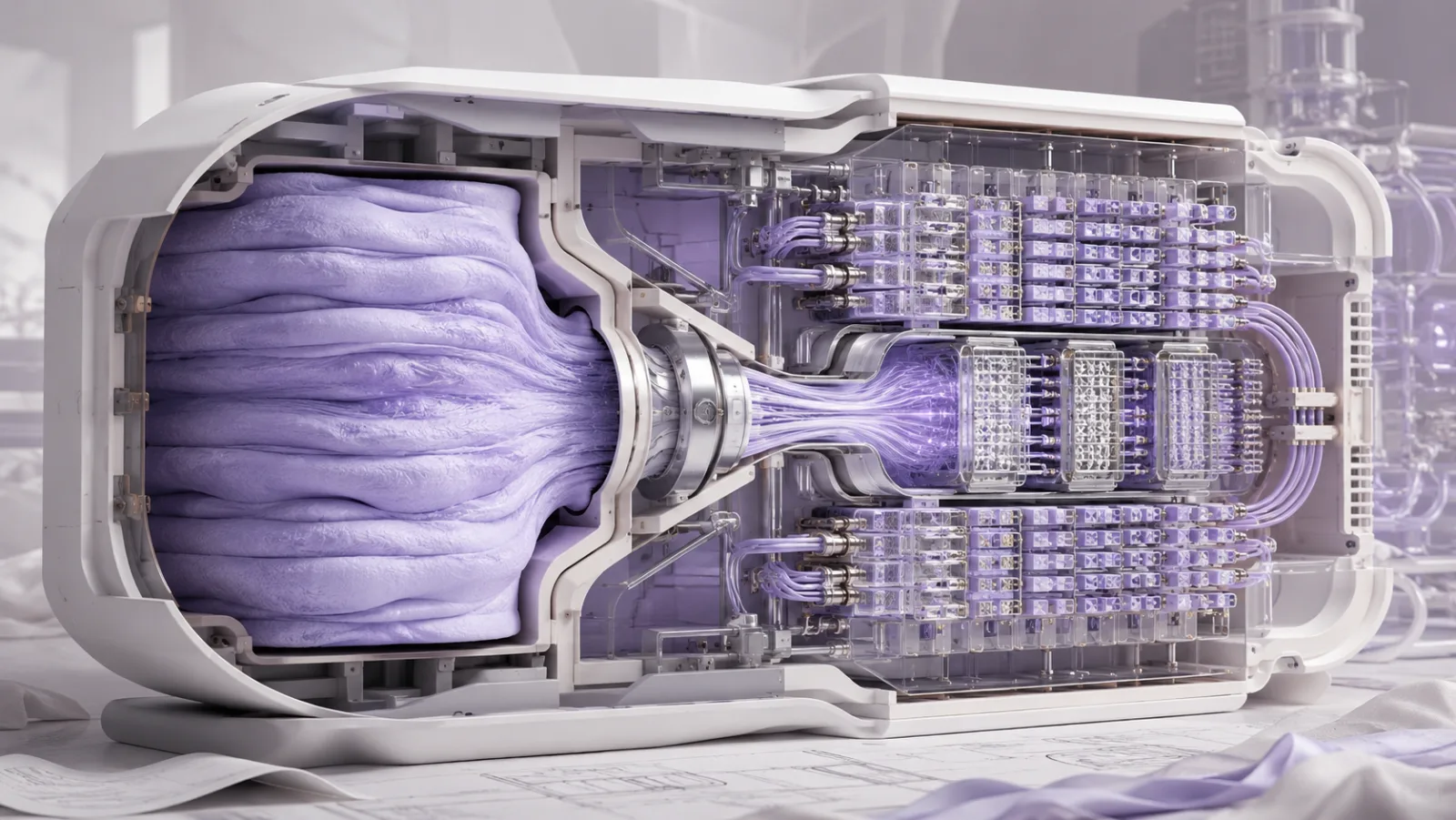
MoEBlaze Cuts the Routing Buffers Behind the MoE Memory Wall
TL;DR for operators Sparse expert activation does not guarantee a small GPU-memory footprint. Conventional token routing can physically duplicate token representations into expert-specific storage, while expert FFNs preserve additional intermediates for backward computation. In the paper’s illustrative DeepSeek-like case, one materialized routing buffer alone is estimated at roughly 94 GB. MoEBlaze1 attacks that data movement rather than changing the router or MoE architecture. It keeps compact token-to-expert location information, gathers original activations when expert computation needs them, reduces results directly back into token order, builds the required routing metadata without global sorting, and combines fused SwiGLU kernels with selective recomputation. ...