
State of Delay: KVBuffer and the Memory Tax of Linear Attention
A mechanism-first reading of KVBuffer, showing why constant-time linear attention still needs IO-aware serving design before it becomes operationally cheap.
A mechanism-first reading of KVBuffer, showing why constant-time linear attention still needs IO-aware serving design before it becomes operationally cheap.

A practical reading of two new multi-agent reasoning papers: reliable agentic AI depends on when reasoning is shared, checked, and repaired.

A mechanism-first reading of TechGraphRAG, showing why the useful idea is not simply graph retrieval, but evidence-gated control before technical synthesis.

A mechanism-first reading of how multimodal pretraining may reduce annotation burden in light sheet fluorescence microscopy without pretending to replace expert validation.
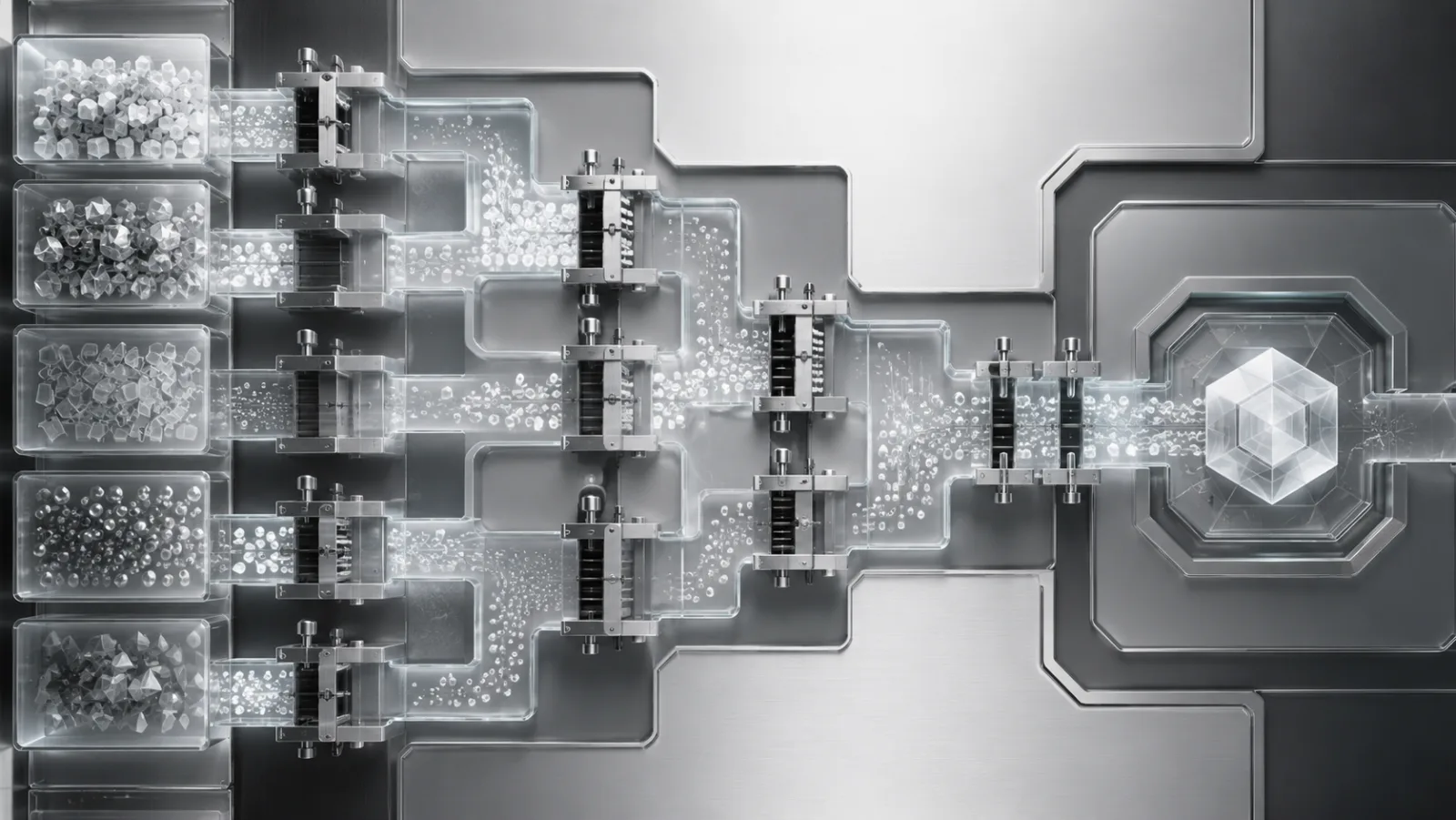
A mechanism-first reading of CSMR, a training-free framework that improves multimodal reasoning by letting an LLM ask for visual evidence only when the reasoning state needs it.

How scale-across AI training turns model architecture, parallelism placement, scheduling, and long-distance networking into one business-critical optimization problem.
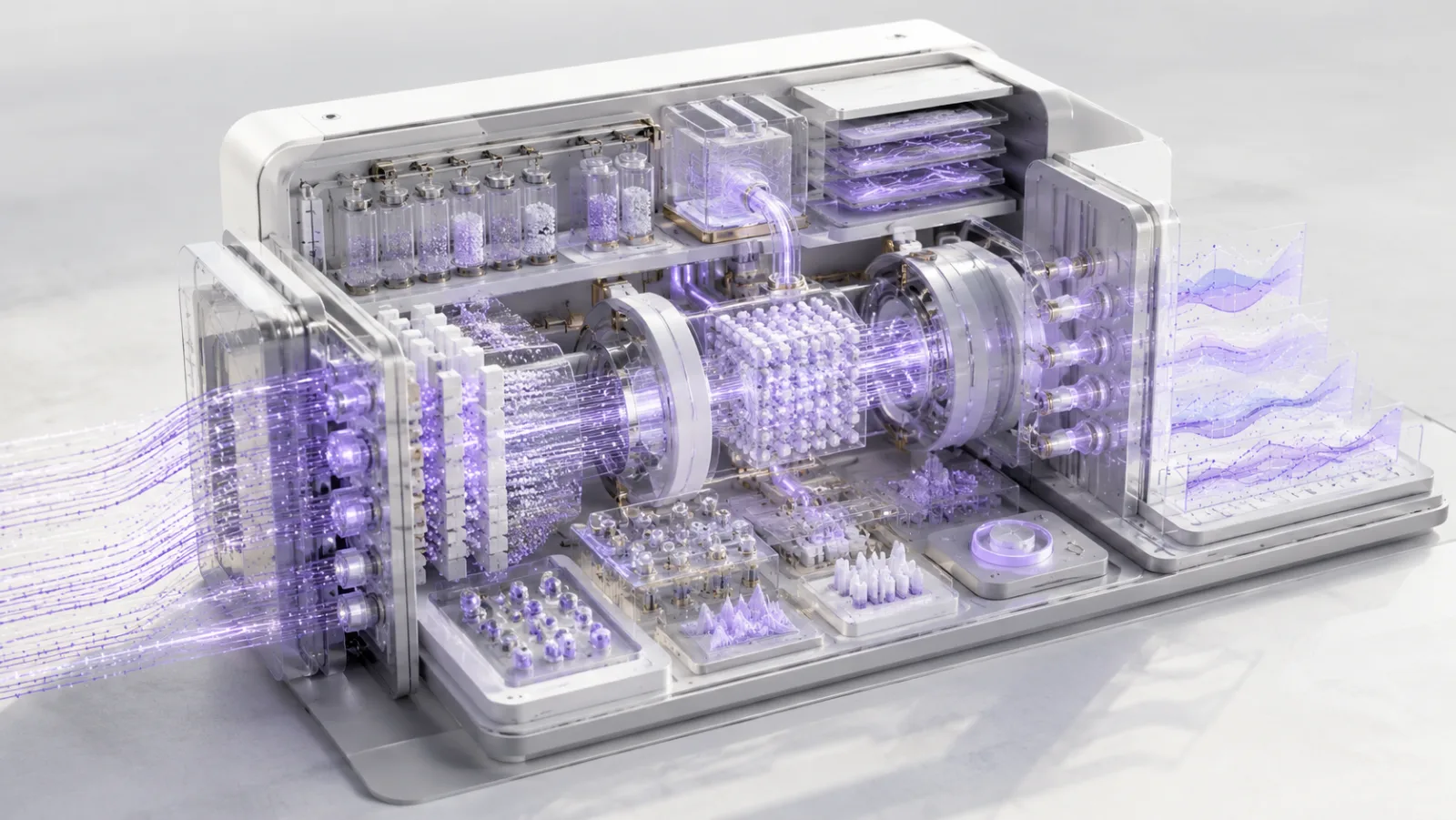
A mechanism-first reading of Toto 2.0, showing why time-series foundation model scaling depends on decoding, loss design, optimizer choice, data mixture, and hyperparameter transfer—not just bigger parameter counts.
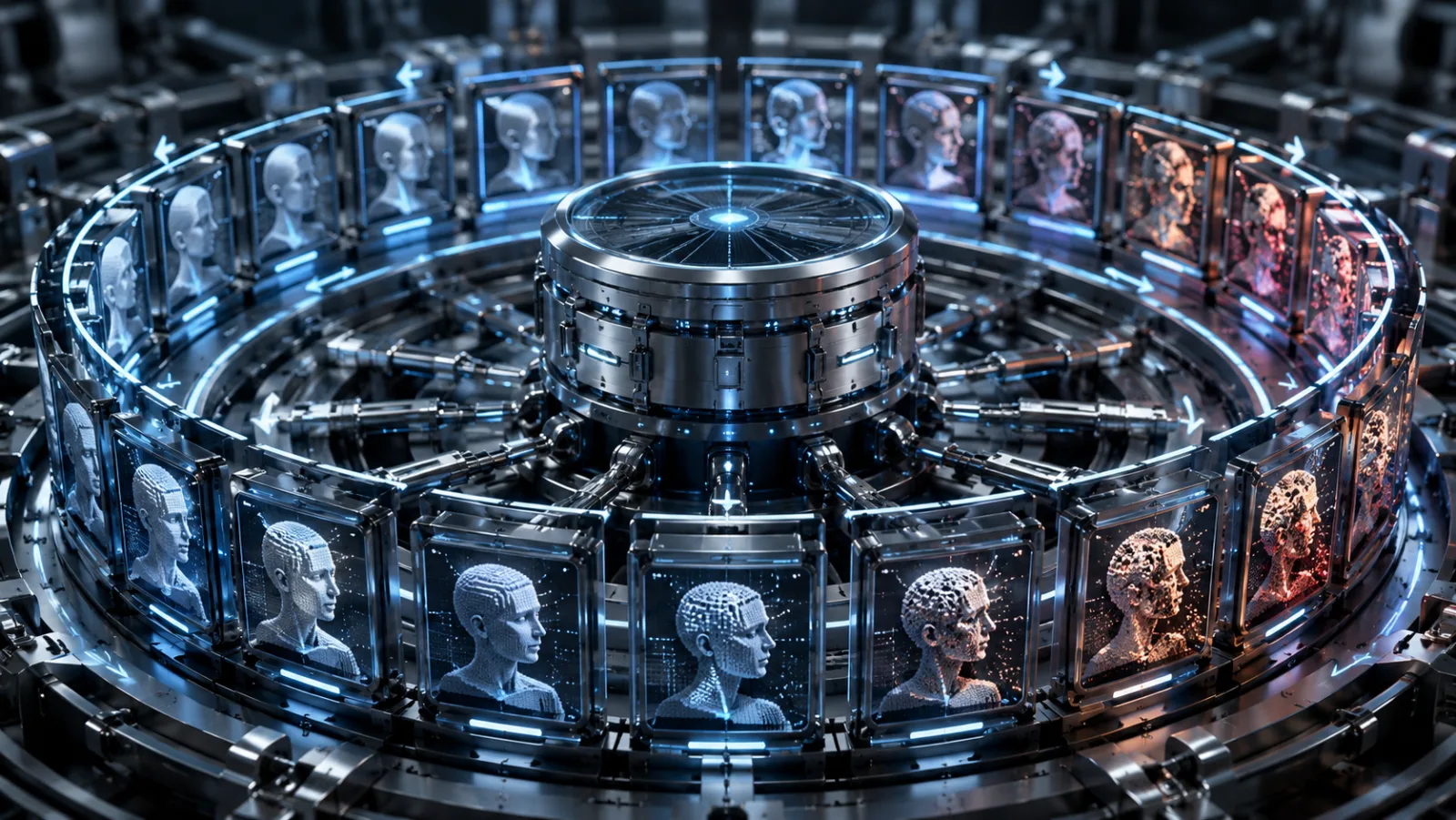
A mechanism-first reading of alignment tampering, where preference optimization can amplify unwanted bias when quality and bias travel together.

A mechanism-first reading of why vision-language models can become more fluent while becoming less visually grounded, and what that means for business deployment.

A mechanism-first reading of why pairwise preference labels can fail under unseen user preferences, and why response time may help reward models adapt.