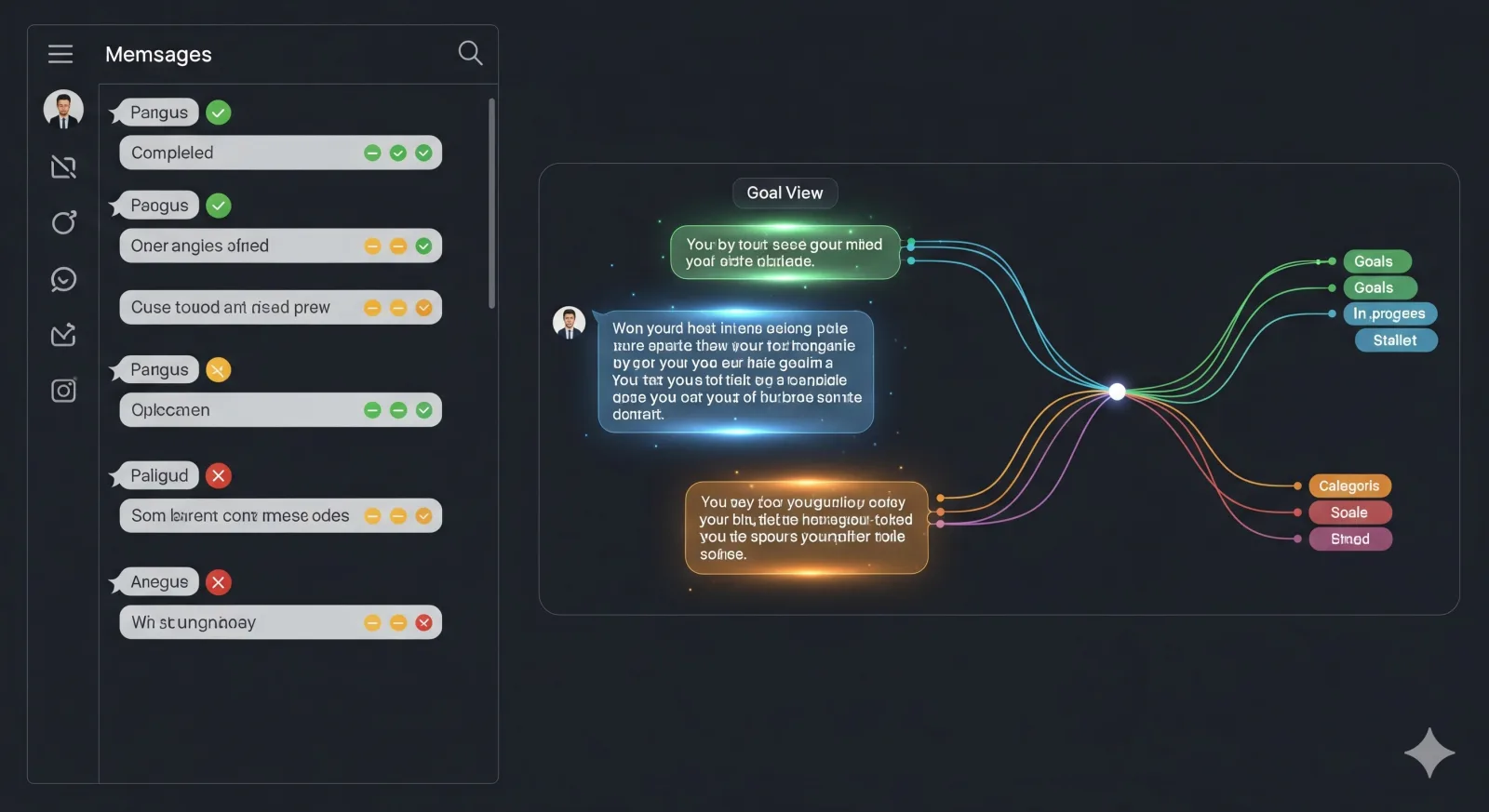
From Chat Logs to Goal Logs: OnGoal’s Playbook for Goal‑Truthful LLMs
OnGoal shows why long LLM conversations need goal observability, not just longer context windows.
OnGoal shows why long LLM conversations need goal observability, not just longer context windows.
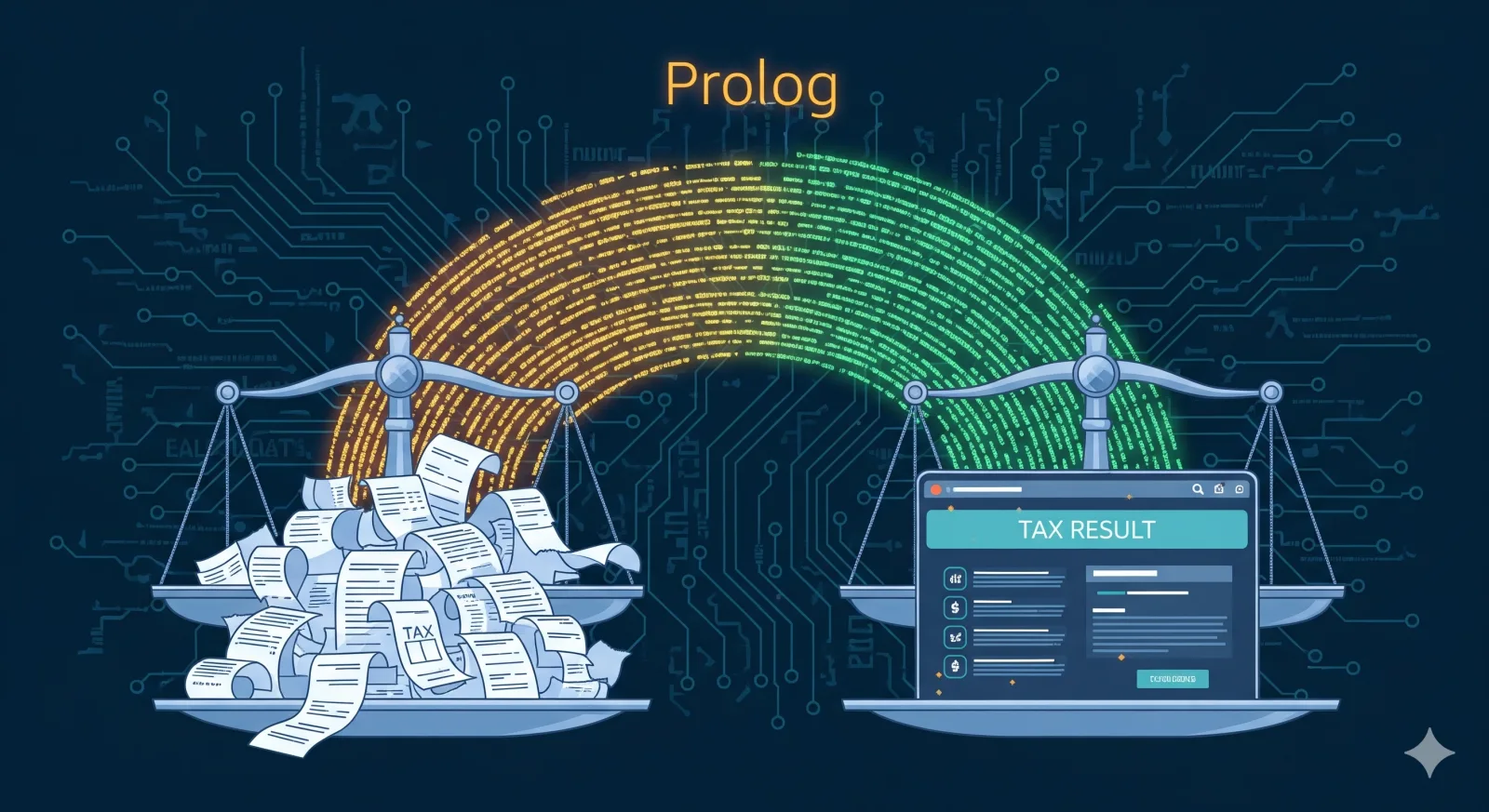
A mechanism-first reading of why tax AI becomes more useful when LLMs translate rules into executable logic, defer when uncertain, and price mistakes like real liabilities.

AWorld shows that the practical bottleneck in agent training is not only model capacity or gradient compute, but scalable experience generation.
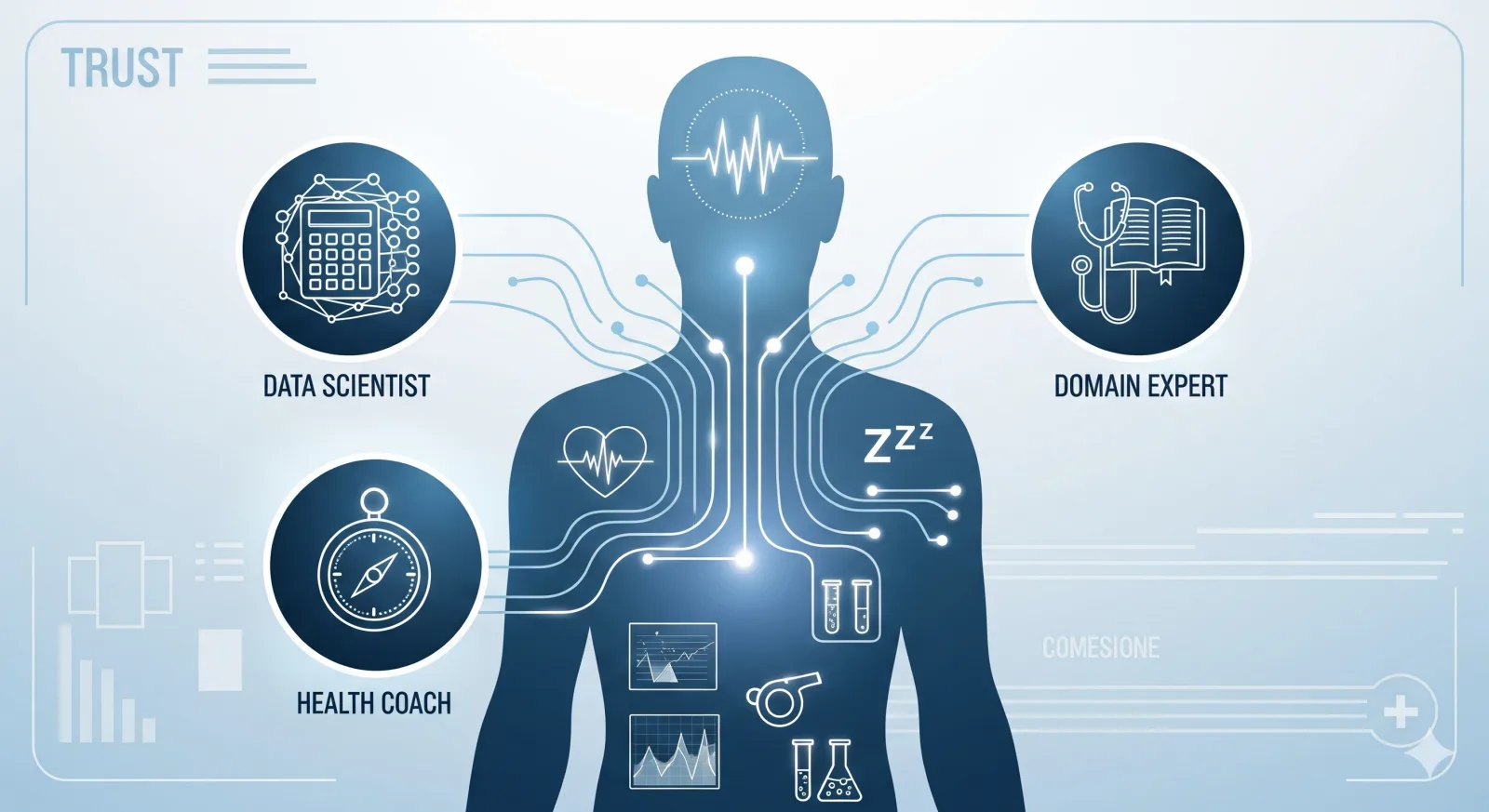
A mechanism-first look at why personal health AI needs specialised agents, grounded tools, orchestration, memory, and evaluation before it can move beyond wellness chatbot theatre.
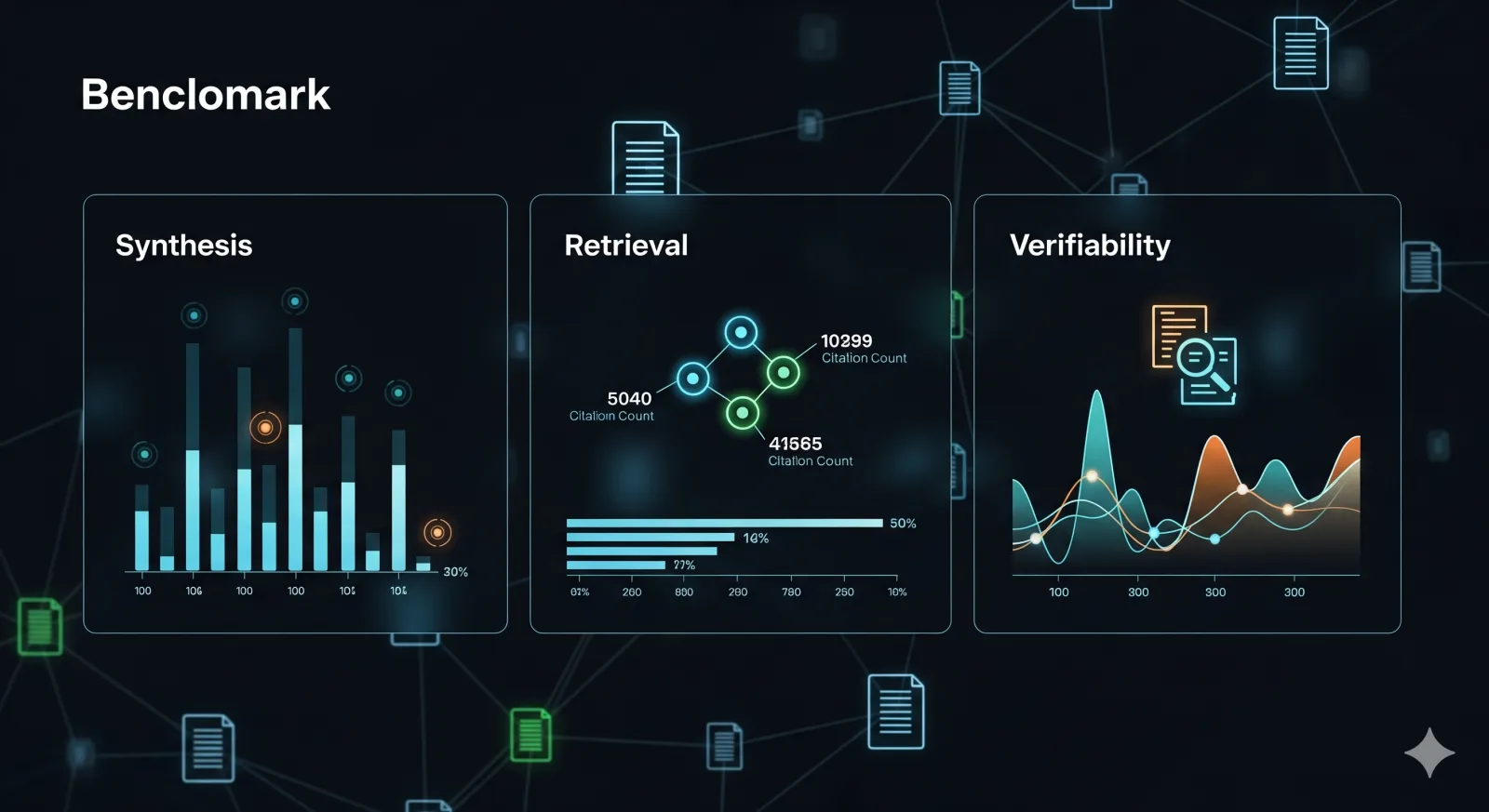
DeepScholar-Bench shows that research agents should be judged by coverage, source quality, and citation support—not by how convincingly they format a report.

A mechanism-first look at Symphony, a decentralised multi-agent LLM framework that routes reasoning work through capability matching instead of a central conductor.
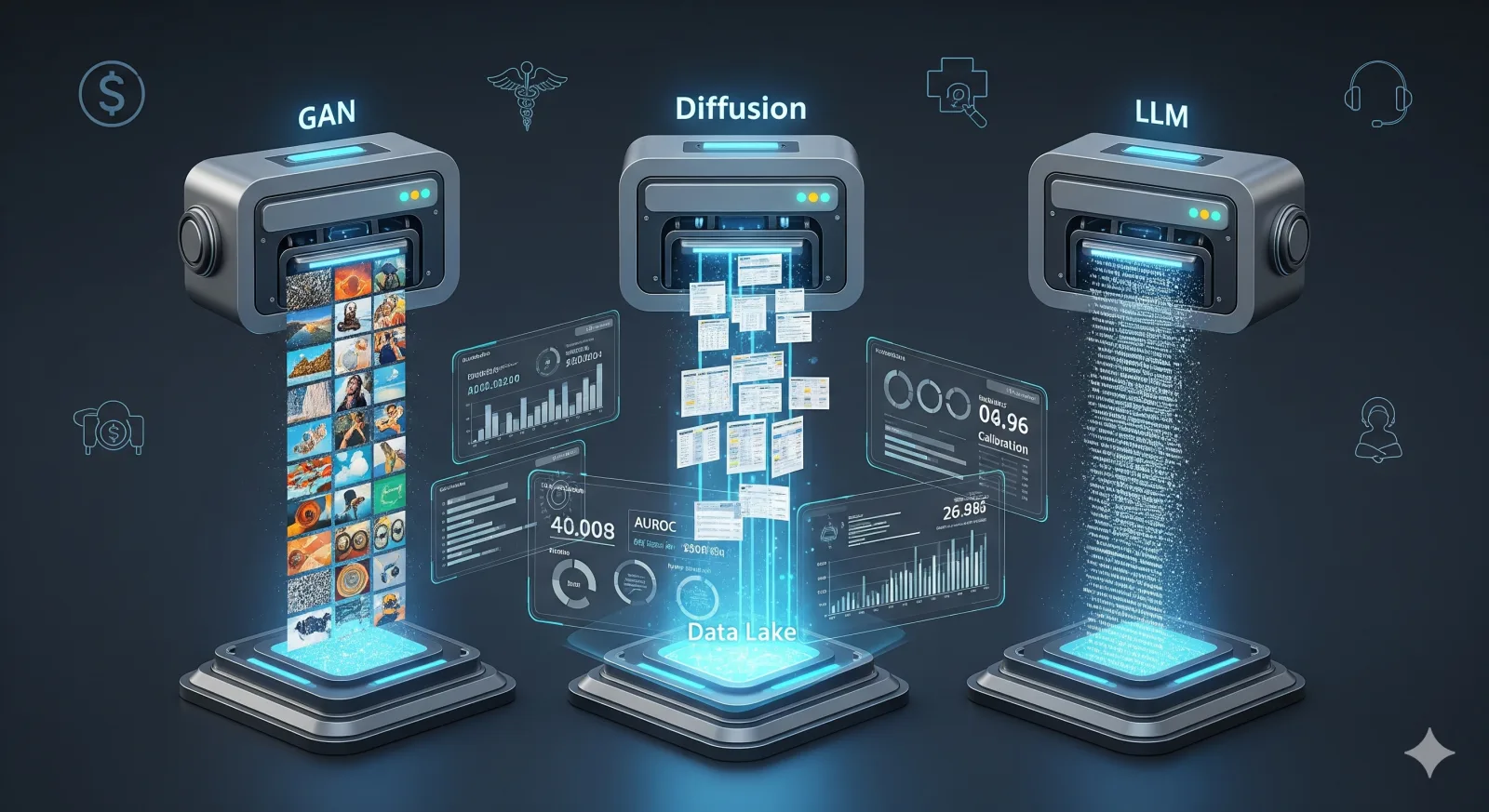
A practical map for deciding when generative synthetic data is useful, when it is theatre, and what must be evaluated before it touches production.

FinCast shows how a finance-specific time-series foundation model can improve forecasting accuracy, but not yet prove tradable alpha.

A practical reading of monitor red teaming for LLM agents, showing why scaffolding and escalation policy matter more than simply giving monitors more context.

A simulated college benchmark shows why enterprise agents need structured memory, salience, and initiative—not merely larger models with longer prompts.